
What is does
Track allows you to review, analyze, and manage logged time across users, teams, and projects.
It helps you:
-
see how much time has been logged,
-
compare planned vs actual work,
-
track timesheet completion and approvals,
-
analyze time distribution across teams and projects.
While Workspace is used to log time, Track is used to review and analyze it.
Required Permissions
-
Administrator - Can see all data.
-
Manager - Can see all data.
-
Power Team Lead, Team Lead - Can see only Teams he/she belongs to or manages.
-
Power Employee, Employee, Limited Employee - Can see only his data.
How it Works
Track collects all logged time and presents it in structured reports.
You can:
-
filter and group data by users, teams, projects, or issues,
-
select a time period,
-
and view results in different formats depending on your goal.
Types of Timesheet Reports
Track provides three main ways to analyze time.
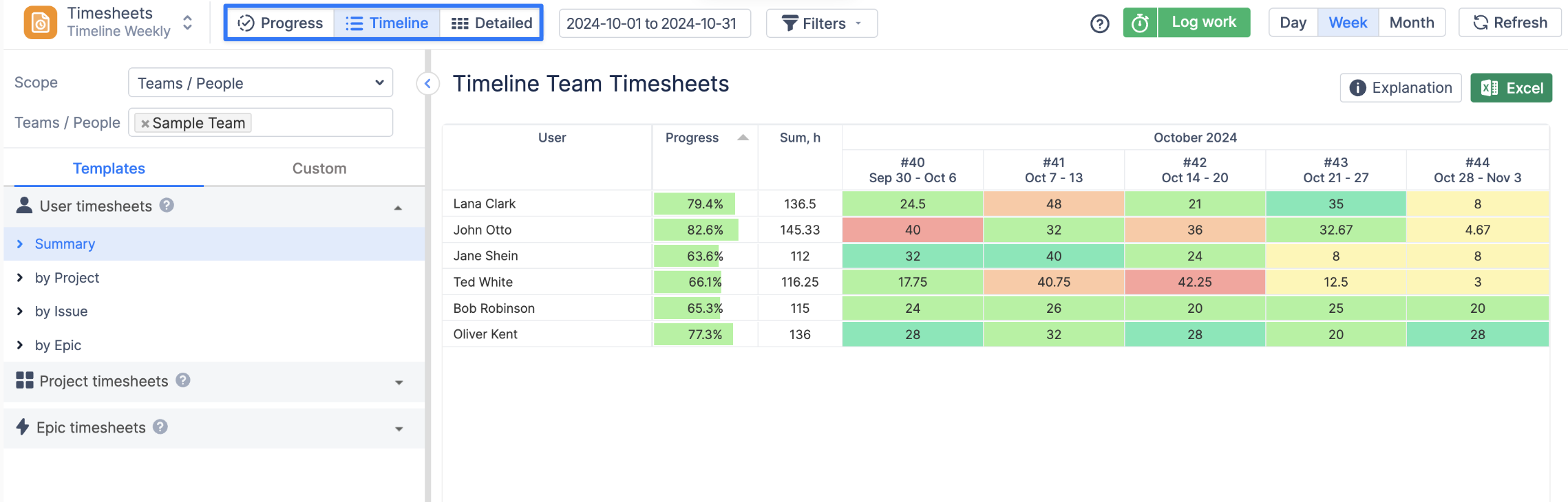
Progress View helps you compare:
-
required hours,
-
logged hours,
-
and timesheet completion.
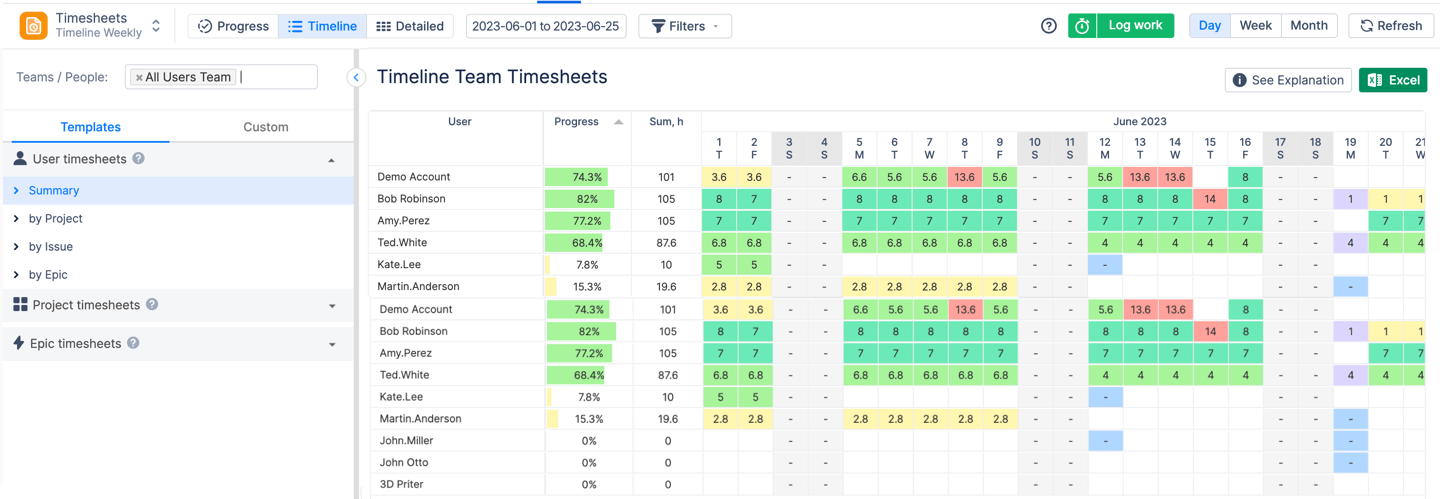
Timeline View provides a visual overview of logged time across users. It allows you to:
-
see all users at a glance,
-
identify over-logging or under-logging using color indicators,
-
view total logged hours per period,
-
analyze daily time distribution.
Detailed View provides a full list of worklog entries. You can:
-
review and verify entries,
-
edit worklogs (if permitted),
-
approve timesheets.
Configuring Timesheet Reports

Scopes
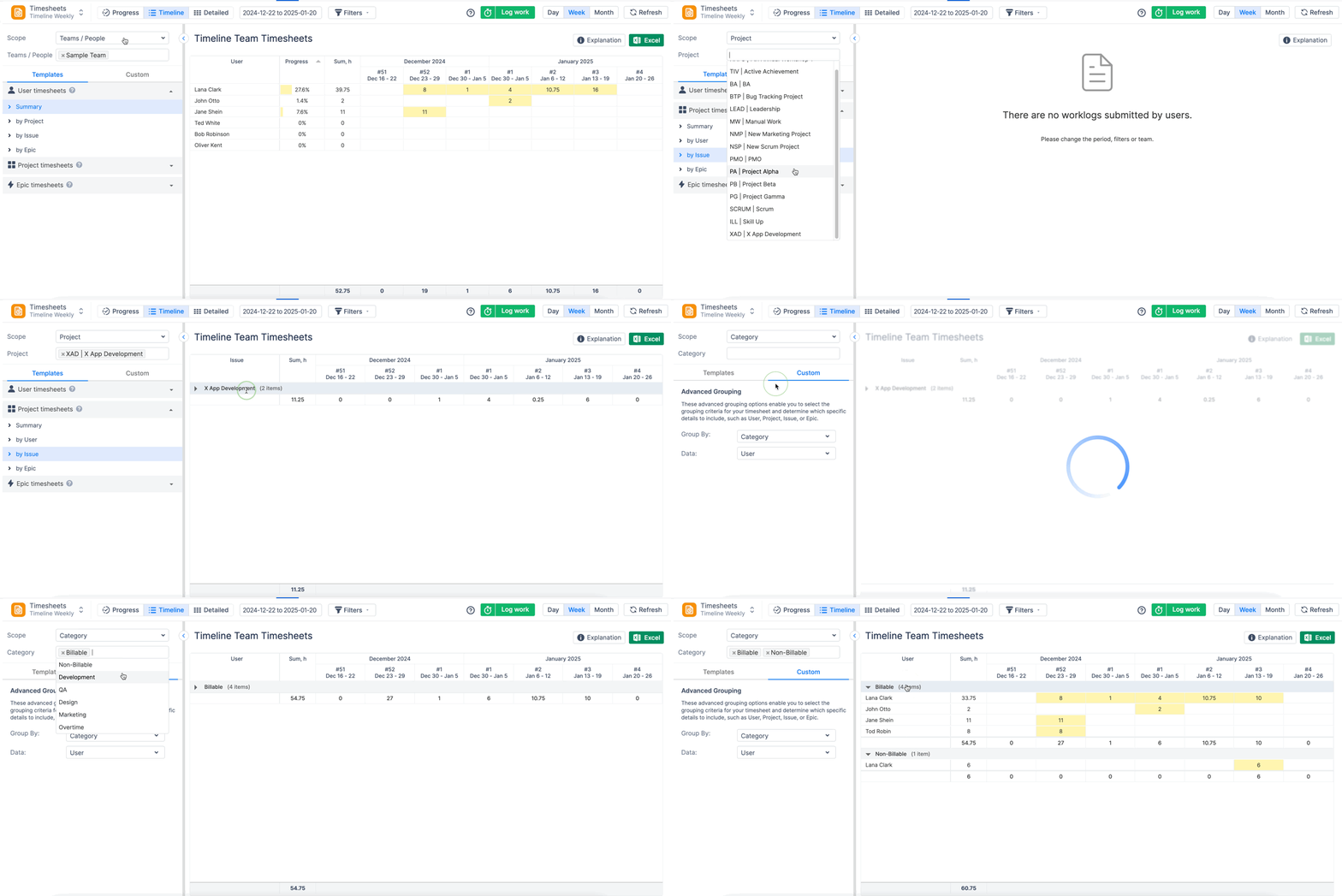
Scopes provide advanced filtering options for timesheets. Start by selecting a primary filtering criterion from the available options (Team/People, Project, Epic, Category, or Issue). Then, specify the exact parameters for your report.
Except for Jira filters, all criteria support multi-select filtering, allowing you to generate reports for multiple projects, issues, epics, or teams simultaneously.
Period
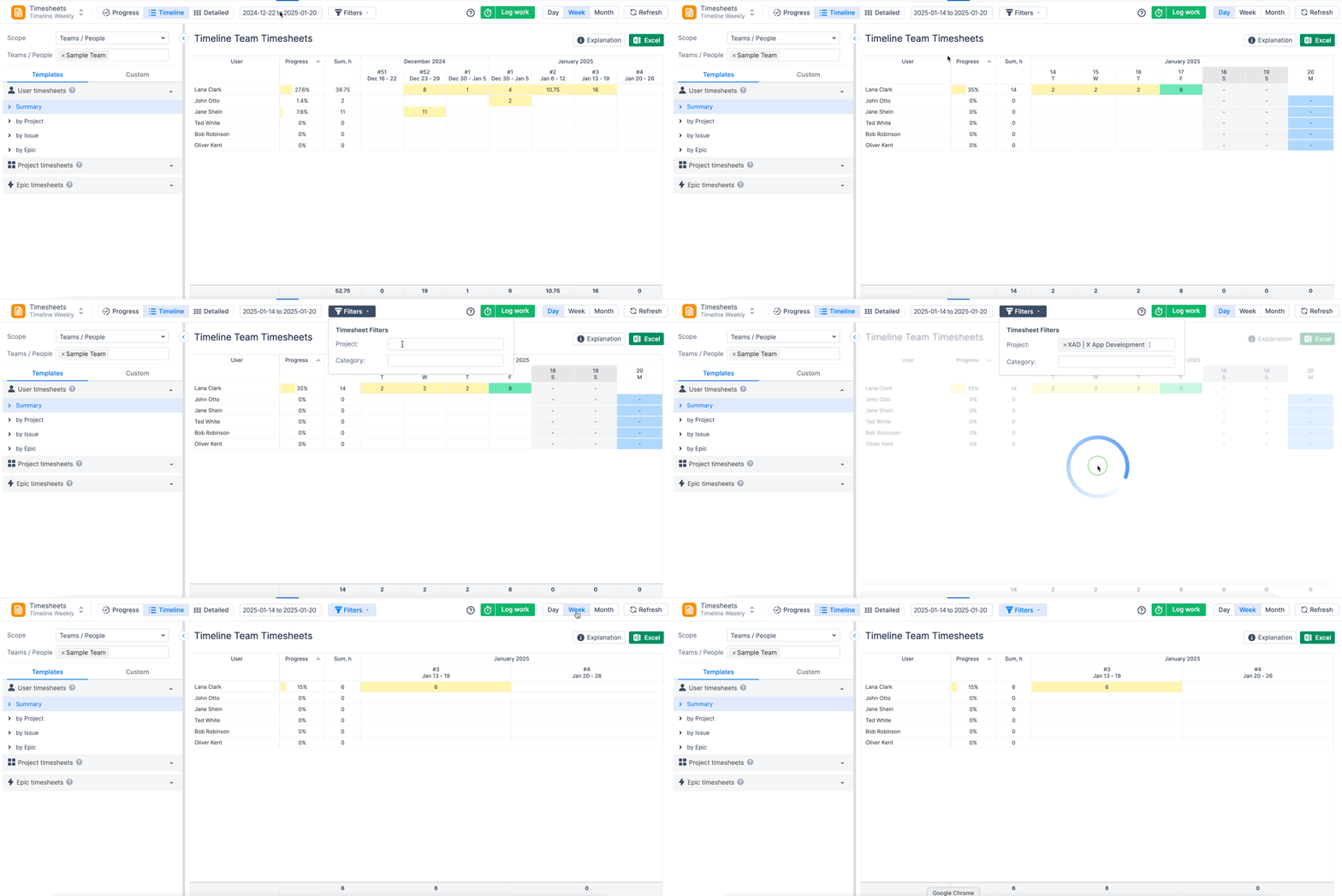
The Period defines the time range of the report. You can:
-
select custom dates,
-
or choose predefined ranges.
Units (Timeline View)
In Timeline View, you can switch between:
-
daily
-
weekly
-
monthly
to change how time is aggregated.
Filters
You can refine reports using filters such as:
-
project
-
worklog category
-
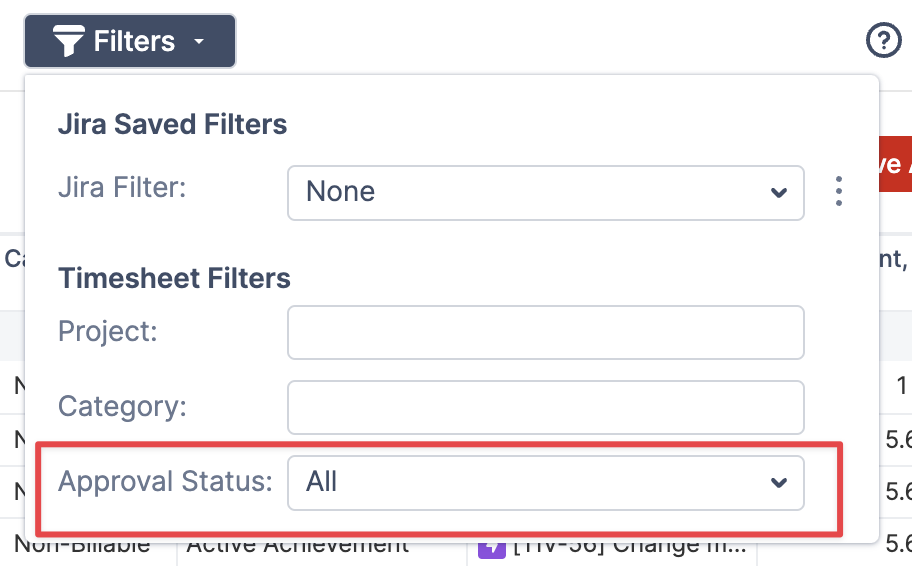
approval status.
Grouping and Templates
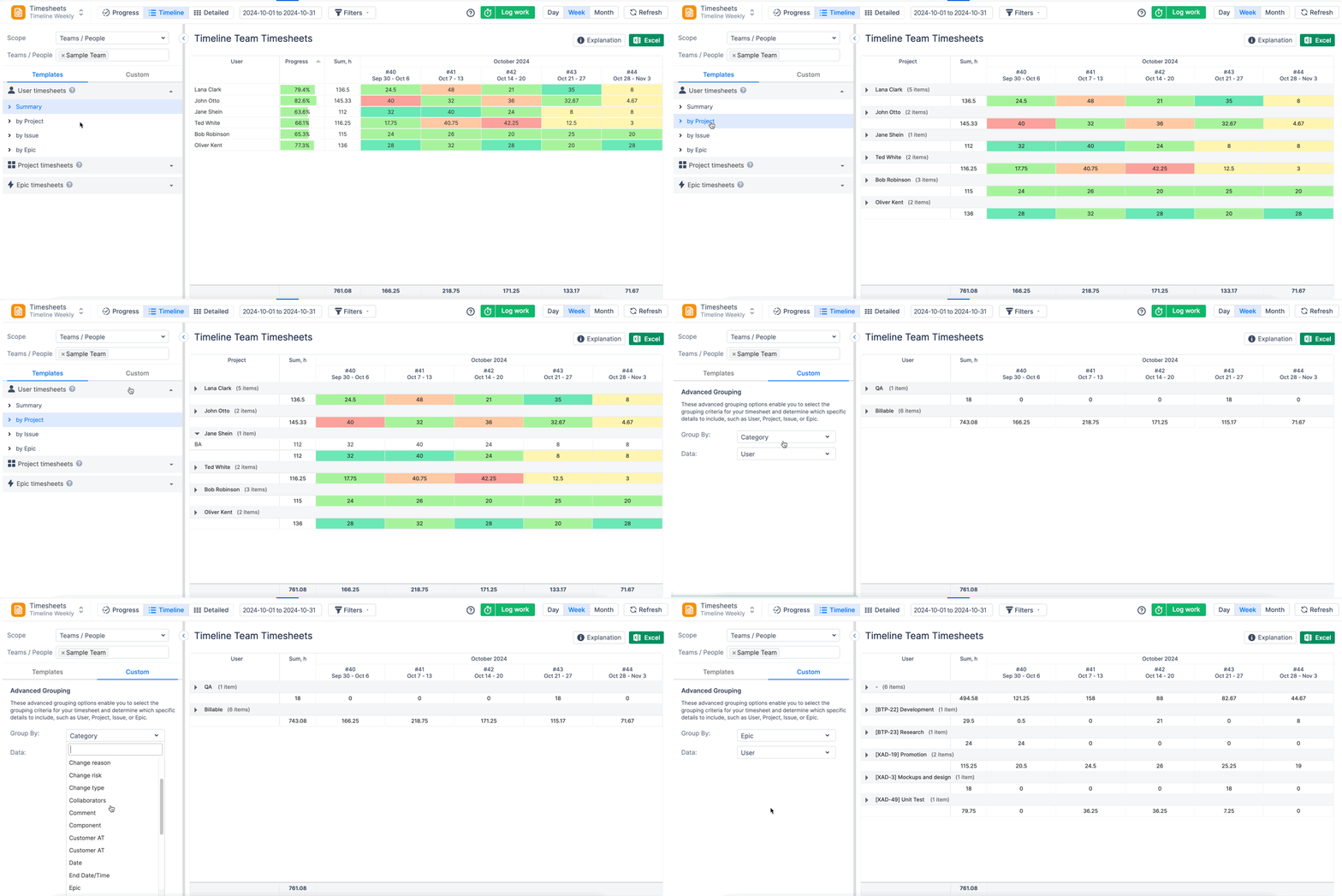
In the left panel utilize pre-created templates or the 'Custom' tab to group data by any Jira custom field.
Worklog Panel
Worklog Panel opens when you click on a specific worklog entry in any timesheet view.
It displays detailed information about that worklog.
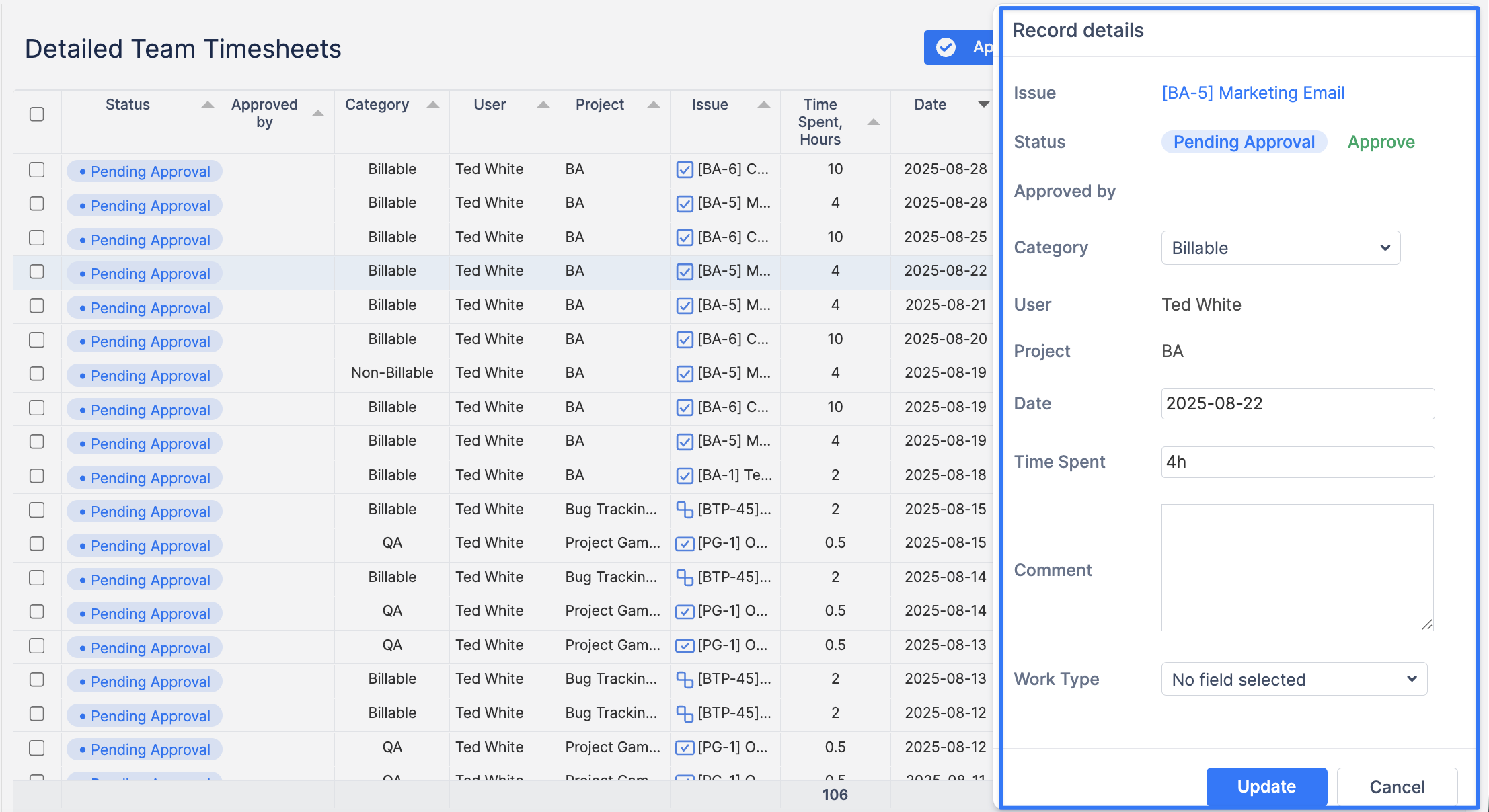
From this panel, you can:
-
review full worklog details,
-
edit fields such as time, date, or comment (if permissions allow),
-
update worklog attributes like category or work type,
-
approve worklogs (if you have the required permissions).
This allows you to move from a high-level overview in timesheets to the exact worklog entry and make changes when needed.
Approval Process
Timesheets can include an approval workflow.
-
Worklogs can require approval
-
Once approved, they become locked and cannot be edited
-
This ensures data accuracy and auditability
You can enable or disable this option. Disabling the approval workflow will remove the approval requirements and functionalities. You can adjust these settings in the Configurations → Timesheets Config page.

Approval Capabilities
-
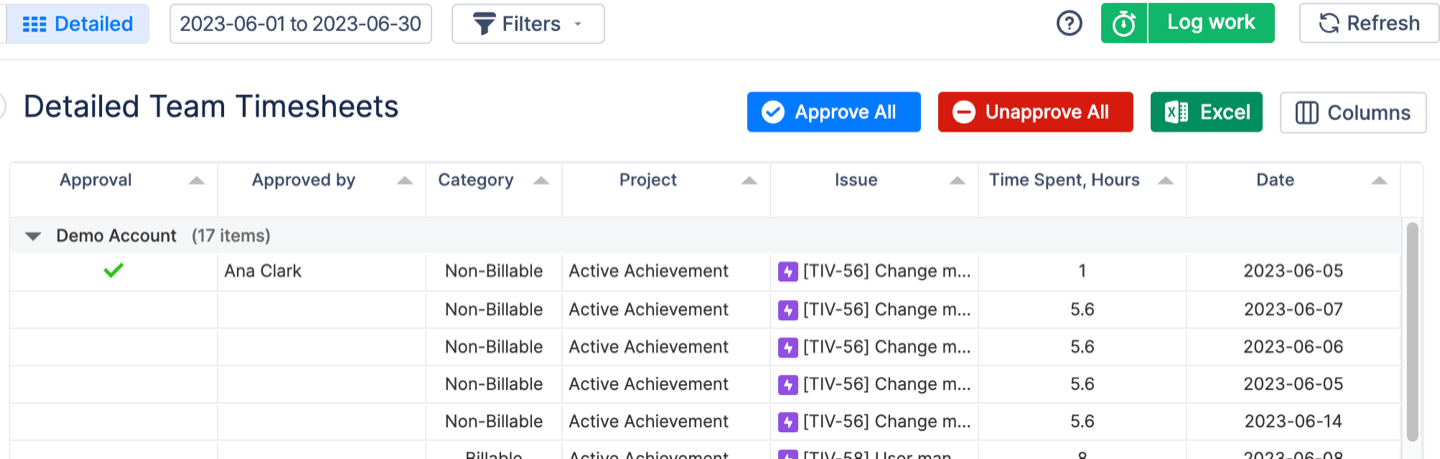
Approve Timesheets: Authorized users (Admin, Manager, Power Team Lead, and Team Lead) can approve individual timesheets, locking them from further edits.
-
Bulk Approve: This feature allows for the approval of multiple timesheets at once, streamlining the process for large teams or numerous entries.
-
View Approved Timesheets: Users can easily filter which timesheets have been approved or not.
-
Approval Details: The system records and displays who approved each timesheet, providing transparency and accountability.
Saved Dashboards
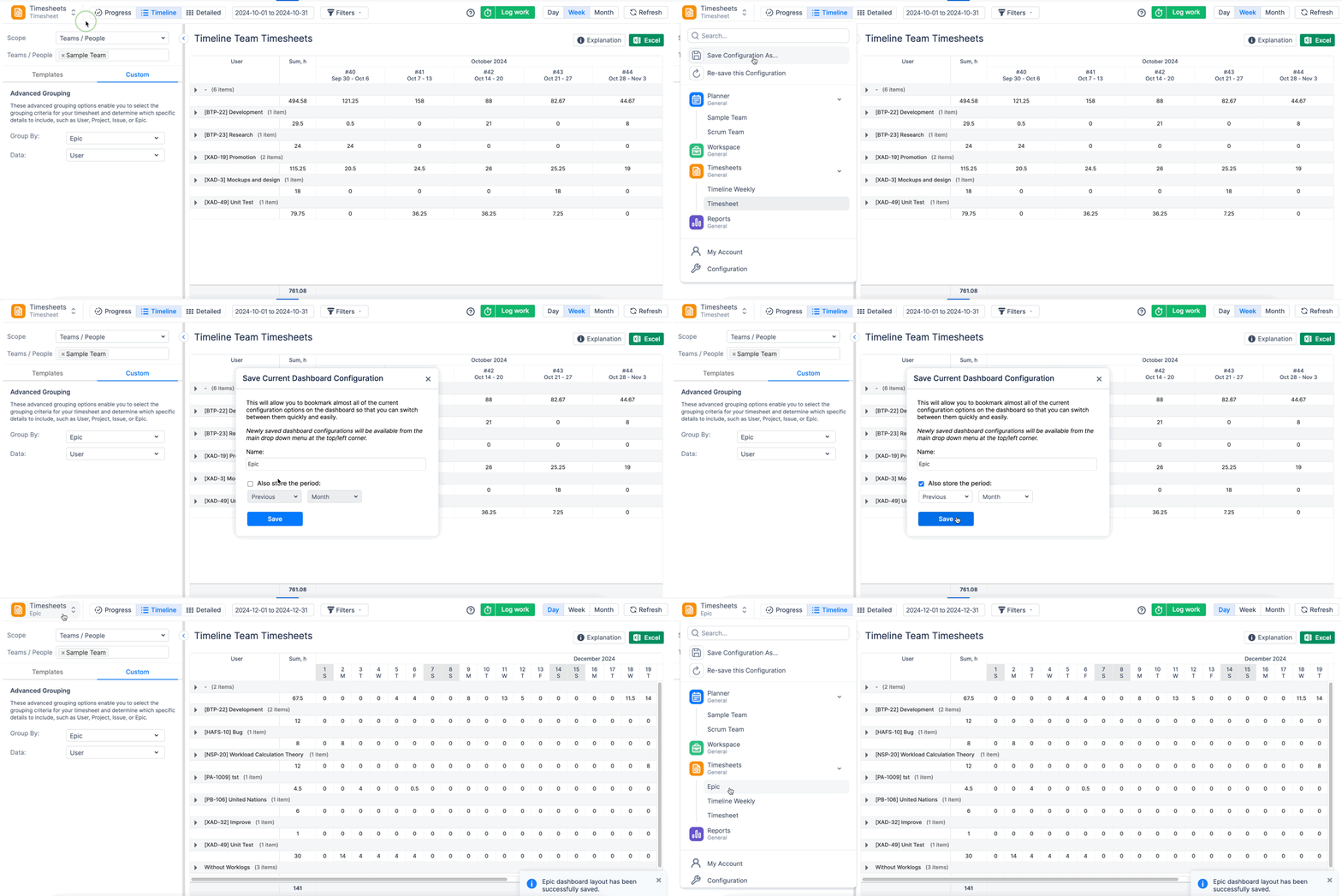
You can save configured reports for reuse. To save your configured report, click on the menu -> 'Save Configuration As...' link, enter a title, and then save. All saved reports will be accessible under the 'Timesheet' module in the menu.
To delete a report, navigate to Configurations → Dashboards tab. On this page, you can also share the dashboard you've created with other users or teams.
Export to Excel
Timesheets also supports Export to Excel. This allows you to export the current timesheet data for further analysis, sharing, or reporting outside ActivityTimeline.
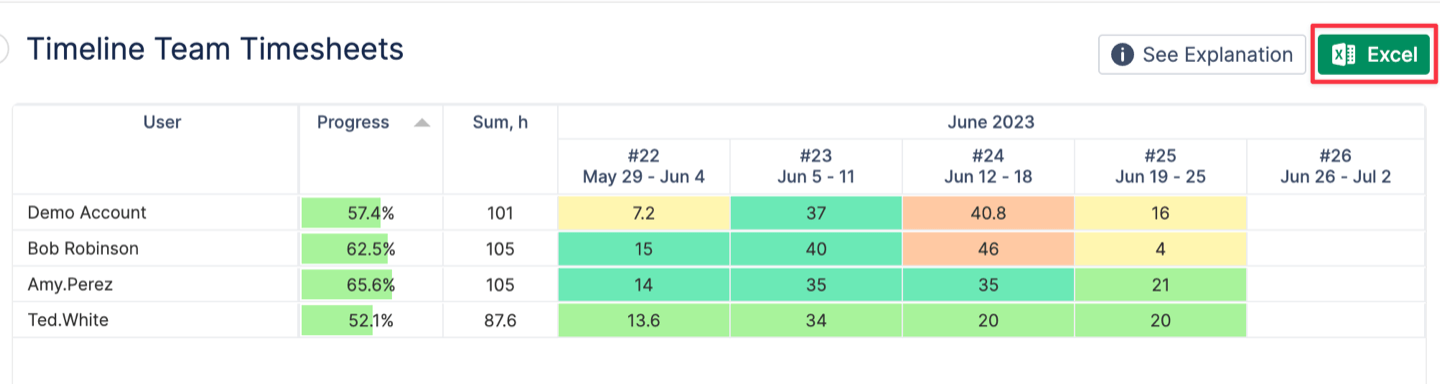
Export is useful when you want to:
-
share timesheet data with others,
-
prepare reports for managers or stakeholders,
-
or perform additional analysis in Excel.

How Track Connects to Other Modules
All modules work together:
-
Planner → defines planned work
-
Workspace → logs actual work
-
Track → analyzes and validates time data
Example:
-
Work is planned in Planner
-
Users log time in Workspace
-
Managers review and approve it in Track
Why This Matters
Track gives managers and teams visibility and control over time tracking.
It helps you:
-
ensure time is logged correctly,
-
identify gaps between planned and actual work,
-
monitor team performance,
-
maintain accurate records for reporting and billing.
To explore Timesheets features in detail, see:
Progress Timesheets
Timeline Timesheets
Detailed Timesheets